 EN


How Do You Choose Bath Towel Sets Wholesale for Hotel Projects?
2026/11/19
A hotel buyer's guide to bath towel sets wholesale. Covers set composition, GSM tiers, GB/T 22800-2023 checks, colorfastness, shrinkage, and cost per use.
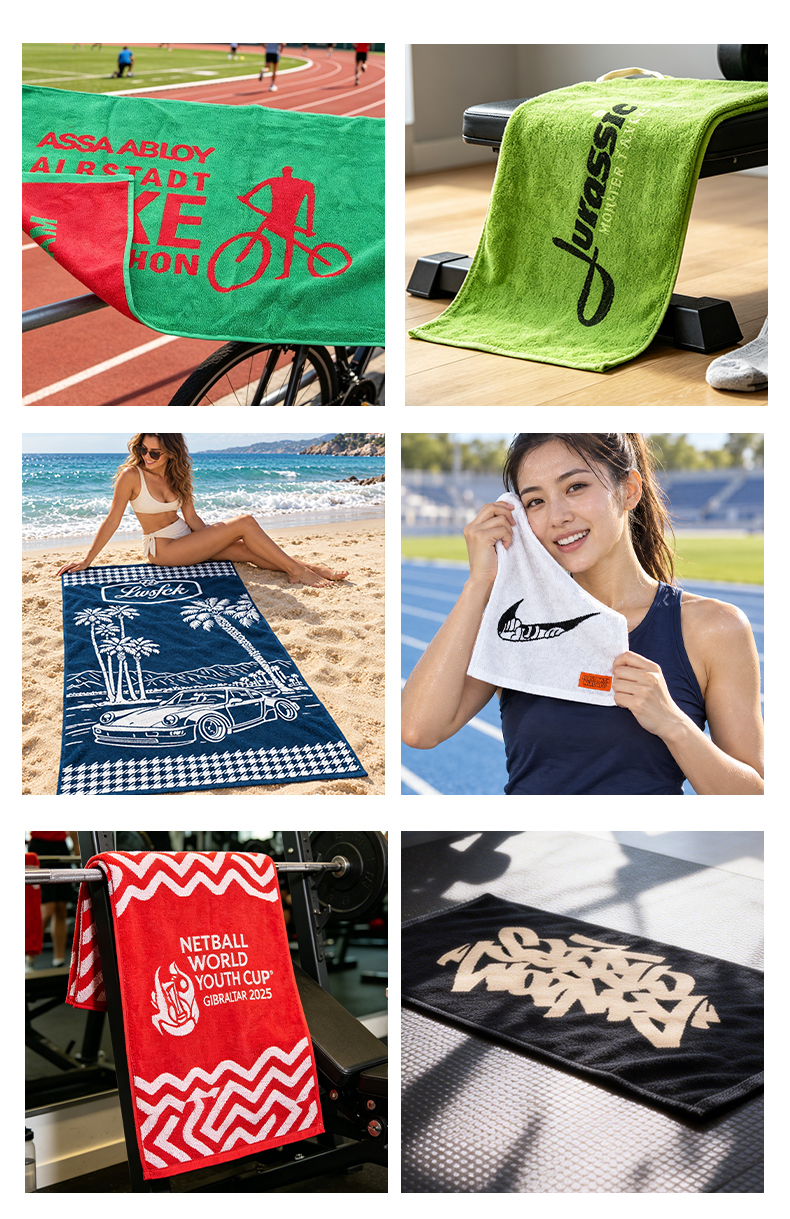
Choosing a reliable manufacturing partner can make or break a textile sourcing project, especially when you are ordering thousands of custom cotton towels for retail chains or luxury hospitality brands. Many procurement managers rely solely on digital catalogs and slick sales pitches, only to find out too late that the production floor lacks the capacity or quality control to meet their exact specifications. A thorough on-site or virtual manufacturer audit shifts the power back to the buyer, letting you catch potential pitfalls before money changes hands. When evaluating a custom cotton towel production partner, skipping the groundwork usually leads to delayed shipments, inconsistent fabric weights, and color bleeding issues that damage your brand reputation over time. Experienced sourcing agents know that the real story of a factory is told on the shop floor, not in the showroom. Conducting a rigorous manufacturer audit ensures that every single production batch aligns with your commercial expectations, safety protocols, and long-term compliance benchmarks.
The foundation of any great towel is the fiber itself, and verifying where the supplier gets their raw cotton is the first major milestone of your manufacturer audit. You need to inspect how the mill stores raw cotton bales, checking closely for moisture control and contamination risks that can easily ruin an entire dye lot. Inquire about the staple length of the cotton being used, as longer fibers naturally yield softer, more absorbent, and durable finished products without excessive linting during daily use. A trustworthy production facility will gladly share their cotton yarn spinning certifications and complete traceability documents, proving they actually use the precise grade of cotton you specified in your initial purchase order. During a factory walk-through in a bustling textile hub, an inspector once discovered that a supplier was quietly blending recycled short-staple fibers with premium combed cotton to cut production costs, a critical defect that a simple paper audit would have entirely missed. Evaluating these raw inputs during a custom cotton towel evaluation prevents long-term durability failures and protects your investment.
| Evaluation Metric | Standard Requirement | Risk of Non-Compliance |
| Staple Length | Minimum 28mm to 32mm for combed yarn | High linting, rough hand feel, poor durability |
| Moisture Content | Controlled storage below 10% relative humidity | Mold growth, fiber weakening, mildew odors |
| Traceability | Fully documented ginning and spinning logs | Inconsistent fabric performance across batches |
Once the yarn meets your strict standards, the next stop on your audit checklist is the weaving department, where the actual loop structure of the custom cotton towel takes shape. Modern air-jet or rapier looms operate at extremely high speeds, but they require rigorous maintenance schedules to prevent skipped picks, loose selvages, and irregular loop densities across the fabric. Pay close attention to how technicians handle warp beam preparation and whether they utilize automated optical inspection systems to catch weave defects instantly before they spread. Older or poorly calibrated machinery often results in uneven gram-square-meter weights, meaning half your shipment might feel plush and heavy while the other half feels thin and cheap. Asking supervisors about their preventative maintenance logs reveals how serious the management is about minimizing unexpected downtime and delivering uniform quality. A detailed manufacturer audit of the weaving floor guarantees structural integrity before dyeing or finishing begins.
Color consistency and chemical safety are non-negotiable aspects of textile manufacturing, making the dye house the most critical zone to scrutinize during your manufacturer audit. Check if the facility utilizes closed-loop dyeing vats and reactive dyes that bond deeply with the cellulose fibers, preventing fading after repeated industrial laundering cycles. You should also examine their laboratory setup for spectrophotometer testing, which ensures every single batch matches your precise Pantone color targets without noticeable deviation. Environmental compliance is equally vital; reputable plants operate advanced wastewater treatment systems to neutralize chemical runoff before discharge, aligning smoothly with modern regulatory standards. Ignoring this step can land your business in hot water if local authorities trace hazardous discharge back to the supply chain of your imported custom cotton towel shipments.
The final stage before packaging often reveals the true craftsmanship of the operation, as even the best-woven fabric fails if the sewing and finishing are subpar. Inspect the hemming stations to see if they use heavy-duty multi-needle lockstitch machines with reinforced corner box-stitching, which prevents fraying during heavy commercial use. A proper finishing line should include automated metal detection tunnels to ensure no stray sewing needles or broken wire fragments end up embedded inside folded products. Furthermore, check the steaming and pressing workstations to verify that towels are properly relaxed and free from distortion before being packed into moisture-barrier cartons. Mofisi implements strict needle-detection protocols and reinforced double-stitching across all finishing lines to guarantee high durability for bulk international buyers sourcing custom cotton towel products.
2026/11/19
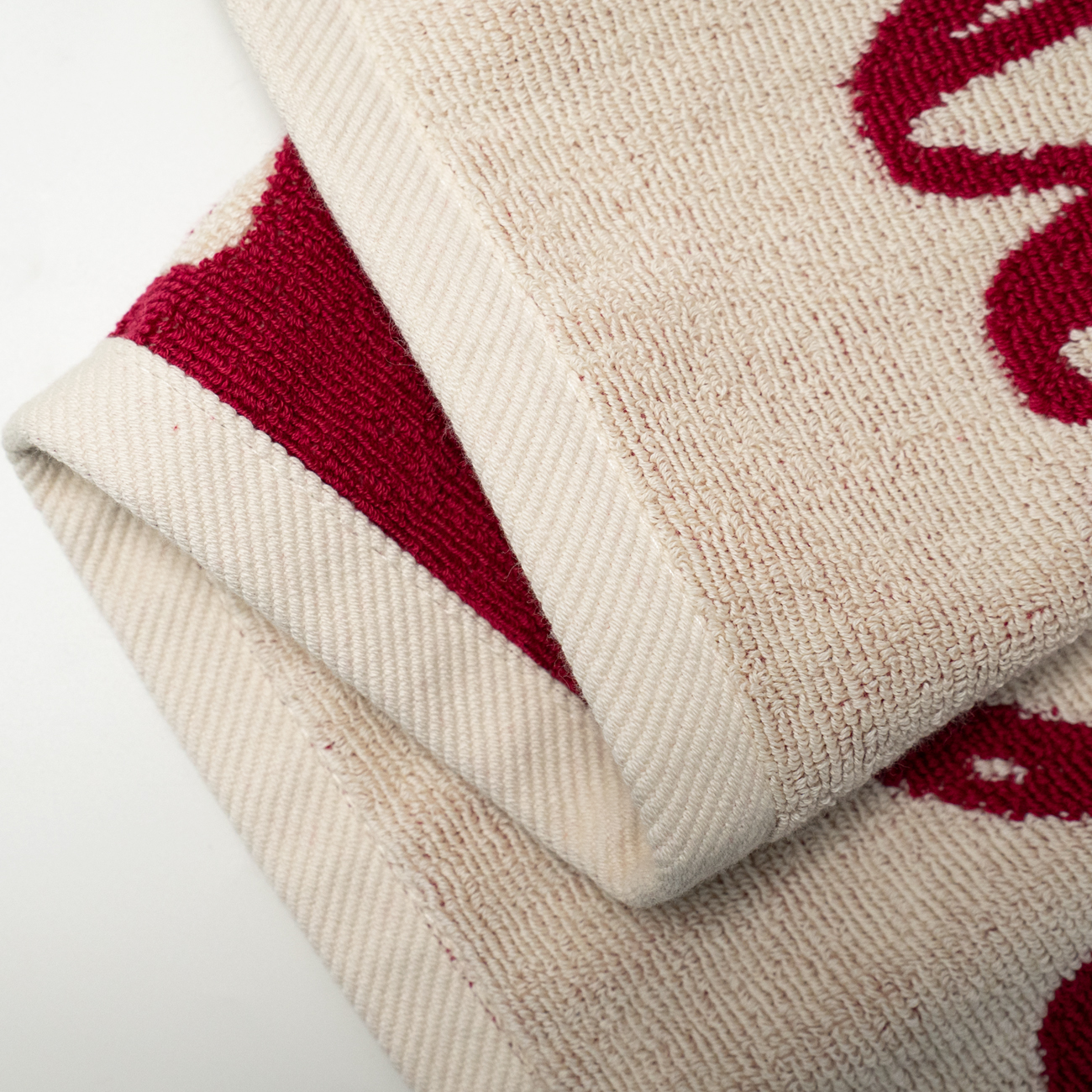
A hotel buyer's guide to bath towel sets wholesale. Covers set composition, GSM tiers, GB/T 22800-2023 checks, colorfastness, shrinkage, and cost per use.
2026/11/19
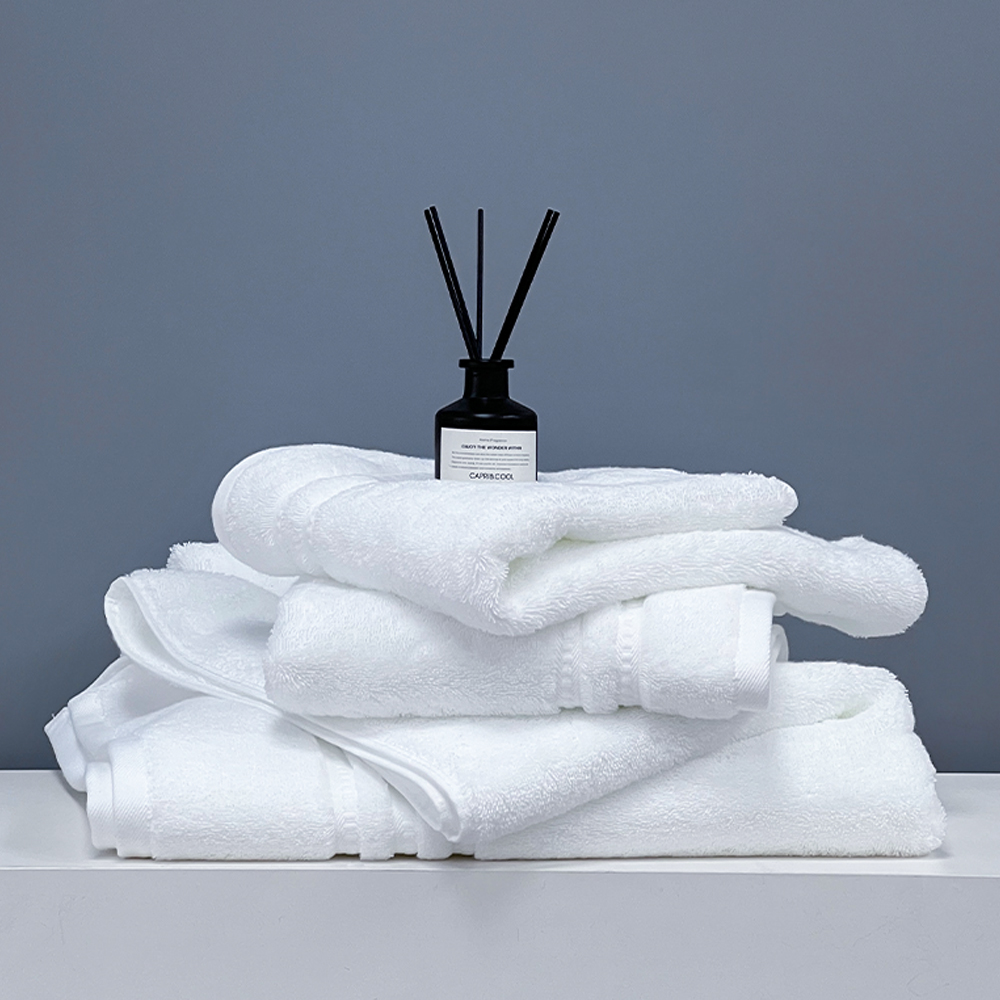
Build a reliable hotel towel wholesale supply chain. Covers GB/T 22800-2023, verification protocols, contracts, and wash-cycle validation.
2026/11/19
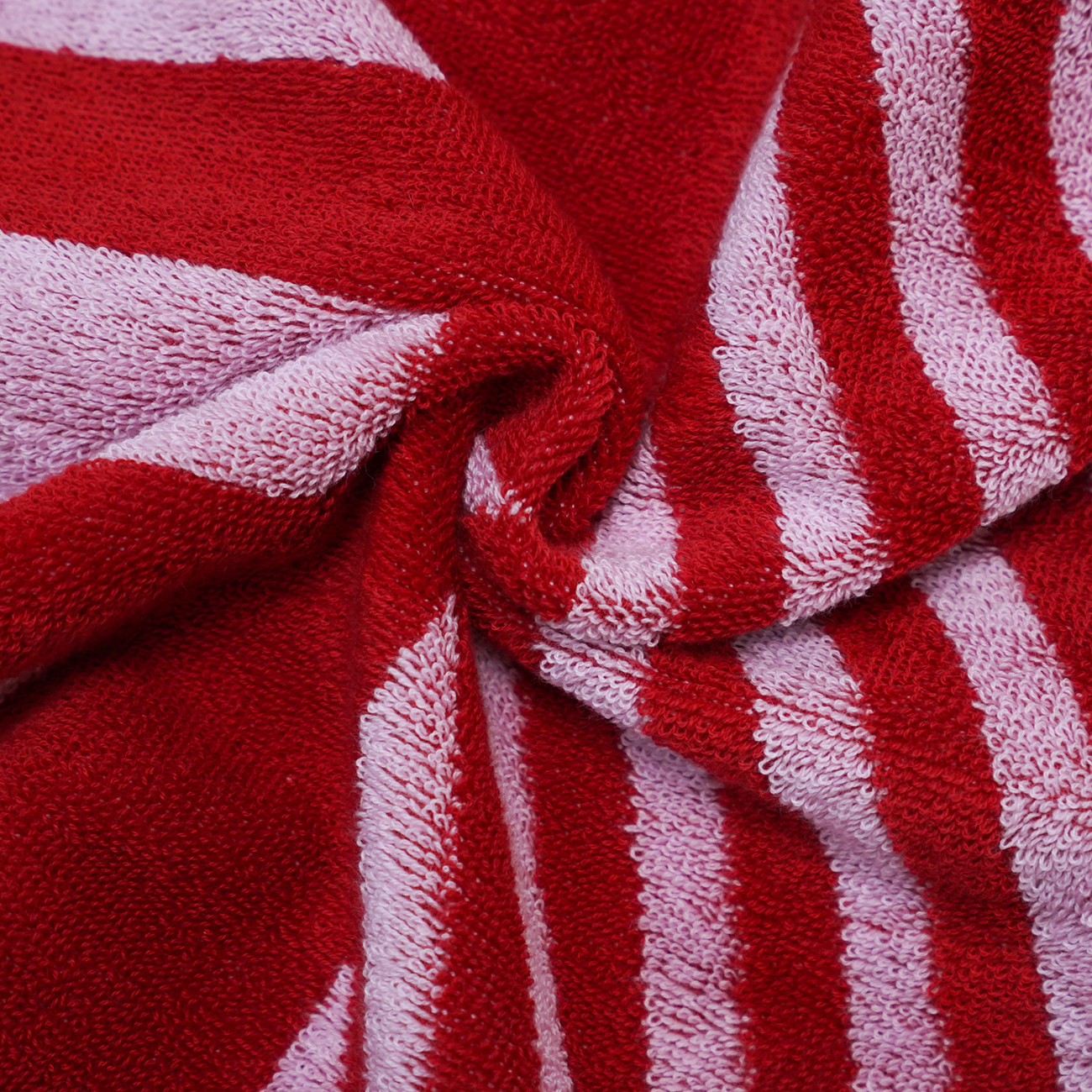
Six common mistakes in hotel towels wholesale procurement. Covers cost-per-use, GSM verification, wash testing, sample sealing, colorfastness, and contract terms.
2026/11/19
Guide to certifications for hotel towels wholesale. Covers OEKO-TEX, GOTS, OCS, BSCI, SMETA, ISO standards, and regional compliance requirements.
2026/11/19
Guide to bath towel sets wholesale for hotels. Covers GSM, cotton grades, yarn count, loop height, and supplier wash-test verification.
2026/11/19
Learn how to specify stitch density for custom embroidered bathrobes. This guide covers SPI, stabilizers, and digitizing to prevent fabric stiffness in hotel robes.
